
In today’s social media era, excessive use of phones, laptops, and computers makes it difficult for children to practice Islam properly, such as offering Namaz, reciting the Quran, and learning daily duas.
Children have a special ability to observe things, which is not as strong in adults. They observe things very carefully. They learn and do what their elders do. Therefore, it is our responsibility to perform good, righteous, and positive actions so that when children see and hear us, they also adopt good behavior.
It is essential for parents to supervise and guide their children. Encourage them to perform Namaz, read Quran, and learn daily duas.
The easiest way to instill these habits is by leading by example. Children adopt what they observe. If we consistently practice Namaz and Quran recitation ourselves, they will naturally develop interest and love for these practices.
Teaching Norani Qaida To Kids
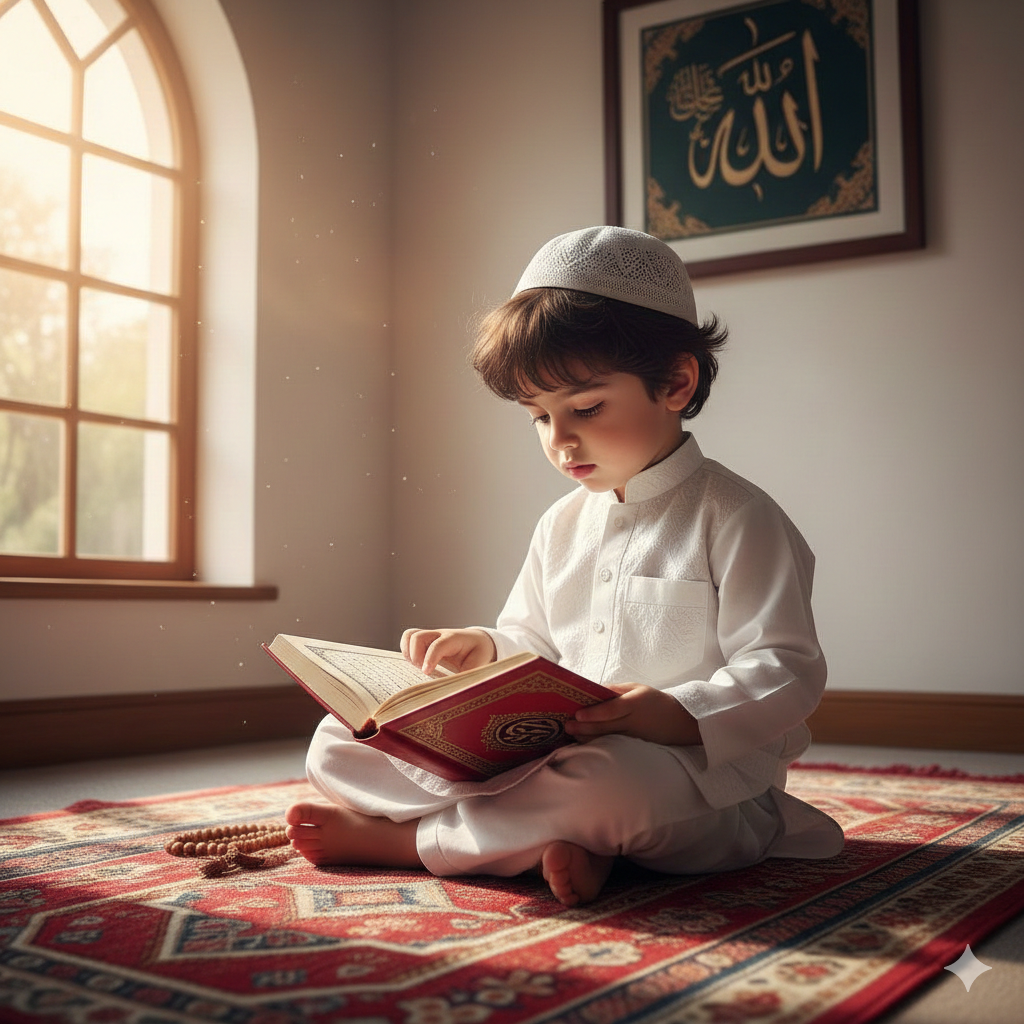
The first step in teaching children the Quran is Norani Qaida, which helps them learn correct pronunciation of each word.
Since the Quran is a collection of words, starting directly with it can be difficult for children. Norani Qaida was designed to make it easier for them to read words correctly, step by step.
Once they master the words, they can be gradually encouraged to recite the Quran with confidence.
Why Norani Qaida is Very Important
Learning Noorani Qaida before the Quran is very important, and below are the reasons:
- Noorani Qaida is taught so that our Tajweed becomes strong and we learn to pronounce each letter correctly. So when we start the Quran, we do not make mistakes. In Noorani Qaida there are different lessons that teach how to read letters in every way.
- If a child skips Noorani Qaida and starts the Quran directly, there is no sin in it, but it may become difficult for him to read the Quran properly.
- The Quran is such a Book in which even a single letter or a small vowel (zabar, zer, pesh) cannot be compromised, therefore it is necessary to learn Noorani Qaida correctly before starting the Quran.
Basic Prayer Training
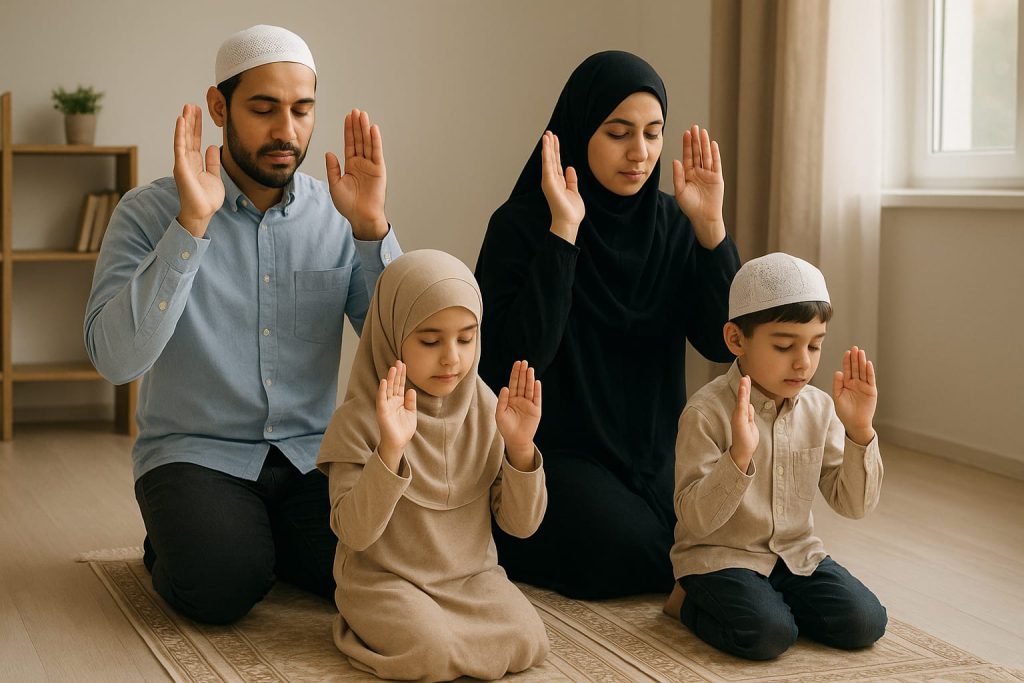
In Islam, teaching Namaz comes first; once a child turns 7 years old, parents should start encouraging them to pray. Since young children may not understand and are still learning basic habits, it is essential for parents to guide them by taking them to the masjid during prayer times and praying with them at home, standing beside them. This instills a habit from childhood, which the child will carry into adulthood. Children should also be reminded daily about both prayers and Islamic teachings to ensure they grow up practicing their faith consistently
Benefits of Praying Namaz From CHildhood
If we make children habitual of prayer from childhood, what will happen and what will be the result?
- If children start offering prayer from childhood, then when they grow up it will become their habit.
- When they grow up and understand that prayer was taught to them from childhood and it was beneficial for them, they will pray for their elders.
- Prayer protects a person from wrong deeds, therefore if children start offering prayer from childhood, then even when they grow up they will stay away from bad actions.
- If we make children habitual of prayer, they will become a means of our forgiveness. After we leave this world, whatever prayers they offer, we will continue to receive their reward.
Daily Duas For Children
Children should be taught daily life duas alongside Namaz from early childhood, such as prayers for morning, evening, meals, sleeping, and waking up. They should not be pressured to memorize everything at once; instead, teach one dua per day and review the previous day’s dua the next day. This helps children develop the habit of reciting duas naturally. At the same time, explain the virtues of each dua so they try to learn them happily, as a meaningful gift.
Why Daily Basics Duas are important for childrens
Just as we make children regular in prayer, in the same way we must also make them regular in learning daily life duas, and teaching them duas is important for the following reasons:
- If we teach children duas from childhood, they will make them their habit when they grow up.
- It is important to teach children the basic and necessary daily life duas, such as for eating, drinking, sleeping, leaving the house and returning. It is not necessary to teach difficult duas in the beginning.
- If we teach them the basic duas, then when they grow up they will themselves learn other difficult and different duas with interest.
- Along with teaching duas, their benefits, purpose, and meaning should also be explained. This will create interest in them to learn and memorize duas.
Islamic Teaching And Learning At Home
Raising children at home is one of the most important responsibilities. Along with teaching them duas, they should also learn daily manners and behaviors such as how to talk respectfully, how to listen to elders, and why these things matter. Children should be encouraged to engage in both Islamic and worldly good deeds, like giving charity, helping others, or removing harmful objects from the path. When parents practice these actions themselves, children naturally begin to follow them. It is also important to limit mobile usage in front of children, otherwise they will become attached to it and adopt the same habits.
Observe Children’s Routine Daily
- Listen to your children’s Quran lesson at home daily so that the love, interest, and concern for the Quran always remain alive within them.
- Teach children good things, stop them from bad influences, and explain religious teachings in the form of stories so that interest develops in their hearts.
- If a child makes a mistake or does something wrong, they should be corrected with love and kindness rather than anger or hitting, because Allah does not like this. However, if the child repeatedly makes the same mistake, then a little firmness may be necessary.
- Always ask children what they learned today, what new thing they understood, and how much they acted upon what they were taught.
InshaAllah, if we remain consistent in these practices, every home will be illuminated with the light of Deen.
My Personal Opinion About Learning Islamic Teachings From Childhood
When I was young, learning prayer, memorizing duas, and even studying the basic Noorani Qaida felt difficult and tiring to me. At that time, I used to think that everyone was forcing me to learn these things. But later, I realized that it was actually one of the greatest blessings for my life.
When I learned Salah, Noorani Qaida, and Quran from childhood, I understood their true benefits as I grew older. Some of those benefits are:
- Since my parents encouraged me to pray from an early age, Alhamdulillah, Salah has now become a natural part of my daily life.
- Learning Noorani Qaida properly helped me read the Quran correctly, and by the mercy of Allah, I was also given the opportunity to become Haifz-e-Quran.
- My parents and teachers taught me important daily duas in childhood. Today, I understand their value. Through those duas, Allah protected me from many difficulties and filled my heart with peace and light.
May Allah give all of us the ability to pray regularly, recite the Quran, and remember daily duas throughout our lives. Ameen.